Previous post


Autistic teenagers often encounter unique challenges that can be addressed through thoughtfully chosen activities. These activities not only serve as avenues for fun and entertainment but are instrumental in fostering essential life skills, promoting social inclusion, and building self-confidence. This article explores a diverse range of beneficial activities designed to cater to the varied interests and strengths of autistic teens. From artistic to physical, sensory to technological, the activities covered here are aimed at maximizing the well-being and development of autistic teenagers. Let's delve into how we can make everyday life more enriching for autistic teens by engaging them in meaningful activities.
Beneficial recreational activities play a crucial role in enhancing the overall well-being of autistic teenagers. Here are some engaging options:
Social activities are vital for autistic teenagers as they help combat feelings of isolation. By participating in social events, teens develop essential communication skills and build connections with peers. Some key aspects include:
Employing a variety of recreational and social activities can significantly enhance social functioning, self-esteem, and life quality for autistic teenagers.
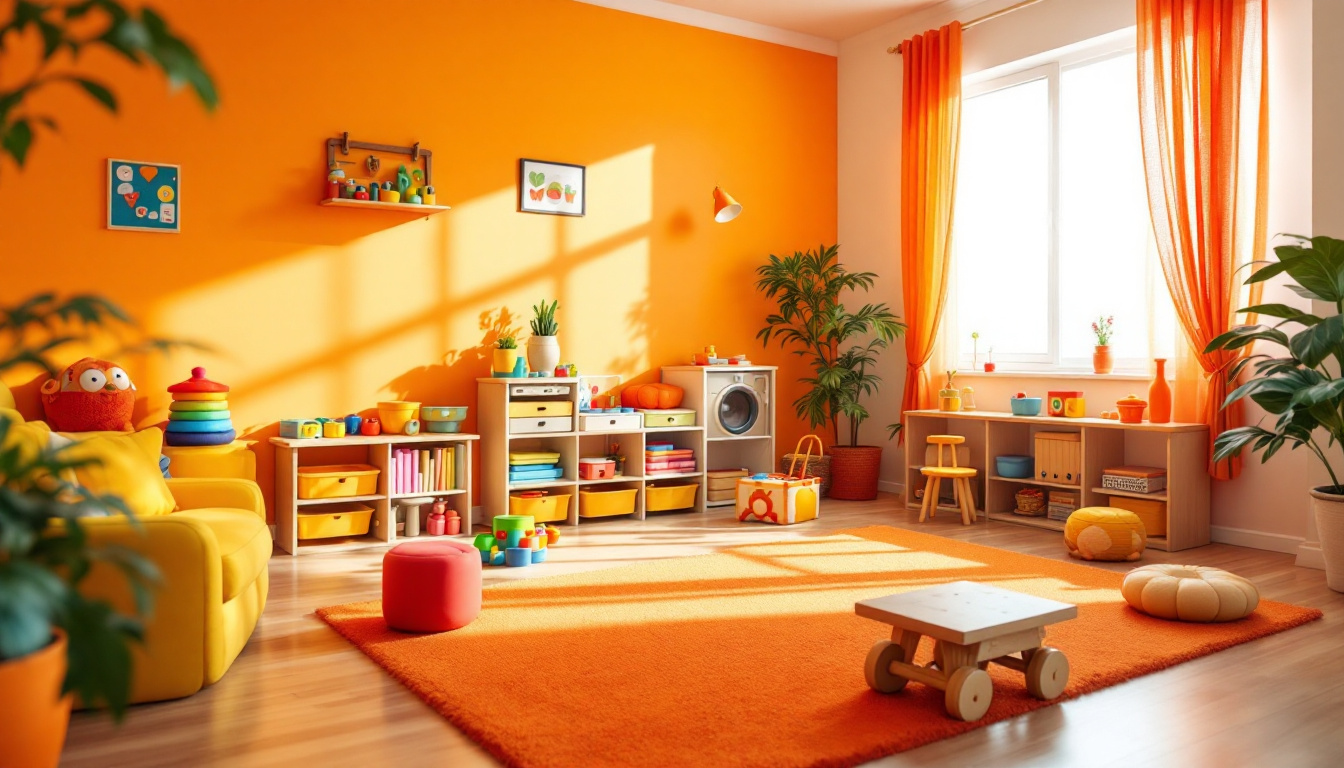
Creating an engaging and supportive indoor environment for teenagers with autism involves a variety of strategies. One effective method is establishing an obstacle course at home. This not only encourages physical movement but can also be customized based on the child’s interests and abilities, promoting both fun and fitness.
Imaginative play is another great option. Setting up a pretend restaurant or a store can stimulate creativity while also supporting social skills through role-play and interaction.
Sensory activities are essential for enhancing exploration and fine motor skills. Projects like making slime or creating a sensory find bucket can captivate attention and deepen sensory experiences. These activities encourage curiosity and hands-on learning.
Additionally, quiet indoor activities play a significant role. Reading together or engaging in arts and crafts offers a pathway for creative expression and connection with caregivers or peers.
To foster relationships even further, consider collaborative projects like cooking or conducting simple science experiments. These enable teenagers to develop their social and communication skills comfortably, ensuring an inclusive and enjoyable indoor environment for exploration and learning.
Therapy activities suitable for autistic teenagers encompass a variety of methods that promote growth in social and emotional skills. Here are a few effective avenues:
The engagement in therapeutic activities provides numerous benefits for autistic teenagers:
BenefitDescriptionEmotional RegulationHelps teens manage anxiety and mood swings through structured activities.Social Skills DevelopmentEnhances communication and teamwork abilities through interactive tasks.Self-Confidence BoostEnables personal achievements and self-exploration in a supportive context.Cognitive StimulationEngaging in puzzles and games improves problem-solving and focus.Sense of BelongingParticipating in group activities fosters connections and reduces isolation.
Everyday tasks and activities for children with autism can encompass a wide range of structured and supportive experiences that cater to their unique needs.
Breaking tasks into manageable steps, mixing leisure with structured activities, and including children in household chores can significantly enhance their independence, self-esteem, and motivation.

Engaging autistic young adults in meaningful activities is essential for their social growth and skill development. Here are several engaging options that can facilitate both:
Through these diverse activities, autistic young adults can develop essential life skills, build social connections, and enhance their sense of belonging within a community.

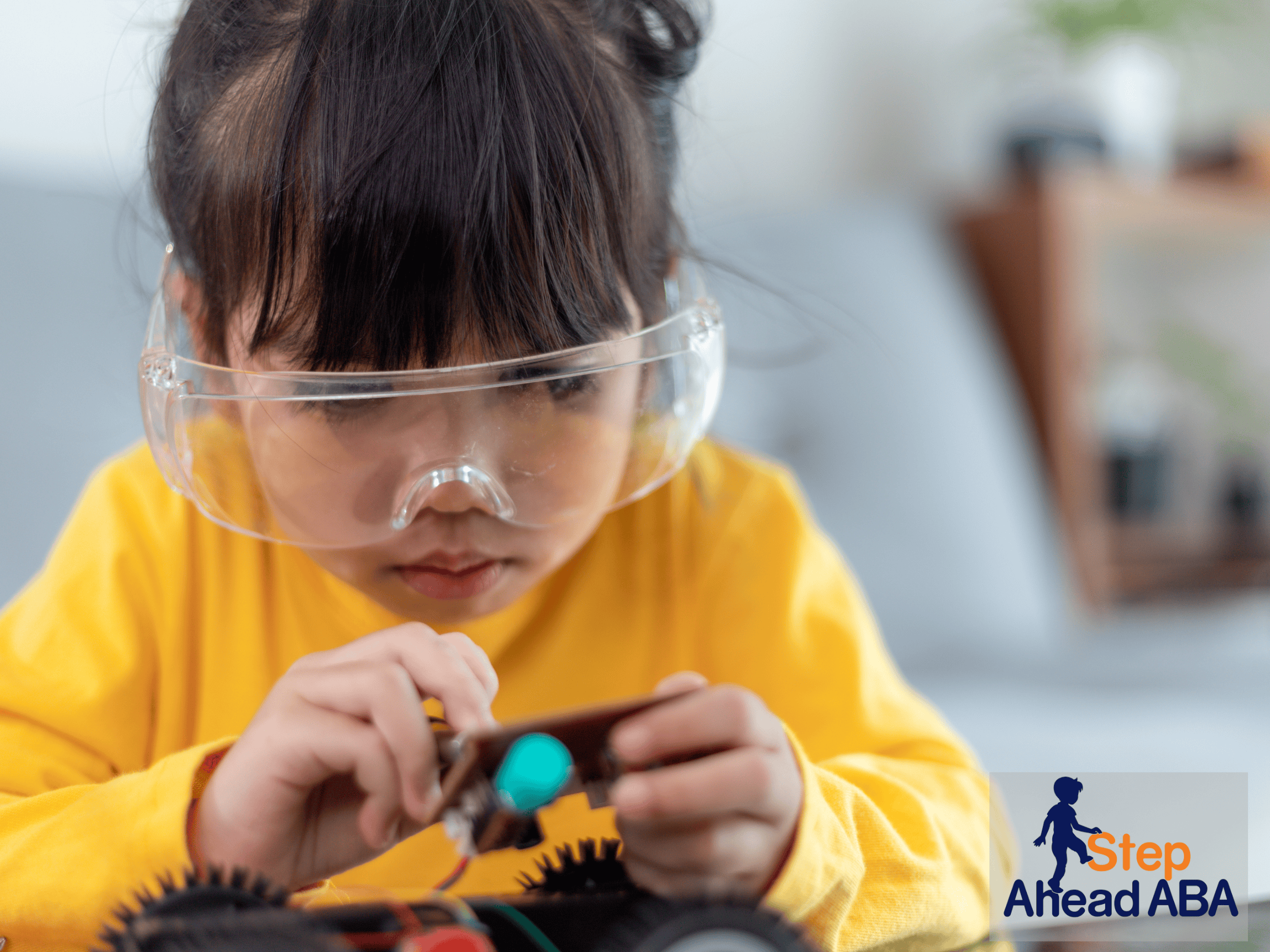
Coding can be a highly beneficial activity for autistic teenagers, offering a structured and engaging way to develop essential skills. Various platforms, like Scratch designed for younger users allow teens to learn programming while creating their own games. These activities for autistic teens promote creativity and critical thinking skills. Educational initiatives that integrate technology not only make learning fun but also help autistic teenagers connect with their interests in a structured way, fostering a deeper understanding of complex concepts.
Engaging in crafting activities, such as clay modeling or painting, offers numerous benefits for teenagers with autism. These activities stimulate creativity and enhance fine motor skills while providing a multisensory experience. However, it’s essential to monitor for potential sensory overload. Activities like DIY weighted lap pads or sensory bottles can also support sensory integration, creating comfort for participants. Therapy activities for autistic teenagers that involve hands-on creativity can be particularly helpful in offering a sense of calm and focus.
Furthermore, improv storytelling encourages spontaneity and helps improve language skills. This creative outlet nurtures social interaction, allowing teens to share ideas and build confidence. For many, these fun activities for autistic teenagers promote both socialization and communication.
Music plays a crucial role in the therapeutic landscape for autistic teenagers. Participating in musical activities, like playing instruments or using music production apps, enhances fine motor skills and allows for self-expression. Collaborative music sessions help build social connections, fostering confidence in a group setting and improving communication skills. Games for autistic teenagers that involve rhythm or music-based challenges can offer both fun and skill-building opportunities.
Moreover, singing and movement combined with music can release endorphins, further enhancing mood and encouraging spontaneous interaction. Schools and community centers often offer music programs tailored to autistic individuals, making it easier for them to connect and engage with others through shared musical experiences.
Engaging in outdoor sports and activities is highly beneficial for autistic teenagers. Activities such as hiking, cycling, and team sports not only enhance physical fitness but also foster teamwork and social skills. Participating in sports allows individuals to follow rules, take turns, and work collaboratively with peers, promoting a sense of belonging and accomplishment. These activities for autistic teenagers offer both physical and emotional benefits, helping them integrate into social groups.
Additionally, outdoor activities provide essential vestibular input, improving balance and coordination. Climbing and swinging can be particularly enjoyable and help develop motor skills while allowing for fun interactions with others.
Activities like nature walks or community gardening serve as therapeutic ways for autistic teens to interact with their surroundings, reducing anxiety while providing cognitive stimulation. These activities also encourage exploration and connection with nature, which further aids emotional regulation. Nature-based activities, such as gardening, offer teens an opportunity to develop problem-solving skills while working together and interacting with their environment, making them great activities for young adults with autism.
The calming effects of nature not only improve mental well-being but also help reinforce essential life skills like patience and responsibility, especially in a collaborative garden setting.
Community resources play a crucial role in supporting autistic teenagers. Local councils and autism associations can connect families with suitable social groups and activities. Examples include Scouts, after-school clubs for art, drama, or chess, and various sports like bowling and martial arts. Creating new interest-based groups, such as stamp collecting or gaming clubs, can foster social engagement, helping autistic teens cultivate friendships and independence.
Parents and caregivers can advocate for their children’s participation in community activities. This not only promotes inclusion but also helps autistic teenagers develop a sense of belonging, which is essential for their well-being.
Various educational resources aid in the cognitive and social development of autistic teenagers. Programs like the Know Yourself series offer videos, PDFs, and worksheets that guide teens in understanding themselves, managing their energy, and exploring their identities. Tools from platforms like ABCya!, BrainPOP, and PBS SoCal provide interactive learning activities to engage with academic content in enjoyable ways.
Incorporating special interests into lesson plans or utilizing resources such as emotion cards can help students improve their social skills and emotional awareness. For further engagement, creative tools like Scratch allow teens to learn coding while fostering creativity through game and story development.
In summary, combining community support with educational tools significantly enhances the development and well-being of autistic teenagers.
By exploring and engaging in a wide range of activities, autistic teenagers can develop essential skills, forge meaningful social connections, and increase their emotional resilience. From participating in therapy or coding to enjoying the arts and outdoor adventures, there is an abundance of pathways to improving quality of life and building self-confidence. Supporting autistic teenagers in navigating their world through these activities not only benefits them individually but also strengthens their inclusion in the community at large. With the right support and encouragement, these activities can serve as powerful tools for personal growth and fulfillment.
1. What types of activities help autistic teenagers develop social skills?
Activities like board games, team sports, and group art or music sessions can create opportunities for communication, cooperation, and confidence building.
2. Why are sensory‑friendly activities important for autistic teens?
Sensory‑friendly activities help teens regulate emotions, reduce stress, and participate in experiences that match their sensory preferences.
3. Can everyday tasks be beneficial for autistic teenagers?
Yes, everyday tasks like cooking, gardening, and puzzles can support life skills, cognitive development, and independence.
4. How do physical activities support autistic teenagers?
Physical activities such as dancing, hiking, or cycling not only improve fitness but also promote teamwork, coordination, and self‑esteem.
5. What’s the role of therapeutic activities in supporting autistic teens?
Therapeutic activities, including social skills groups and structured play, help teens learn emotional regulation, communication, and problem‑solving skills.

Our company offers expert in-home ABA therapy for ages 1-21, by qualified therapists who care. We’re improving lives for families with top-tier therapy that is accessible, flexible and effective.





.png)